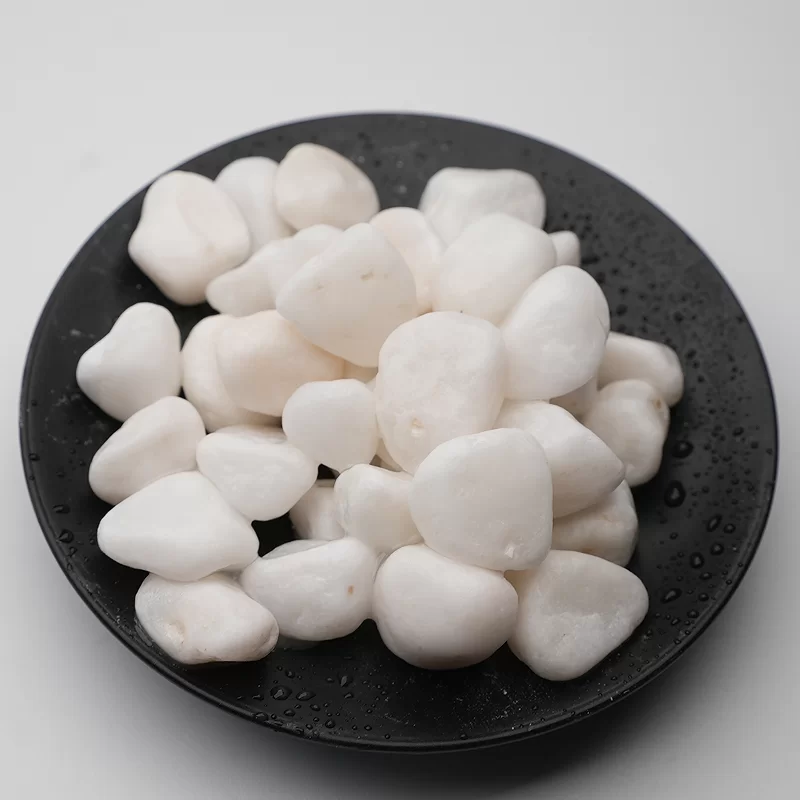
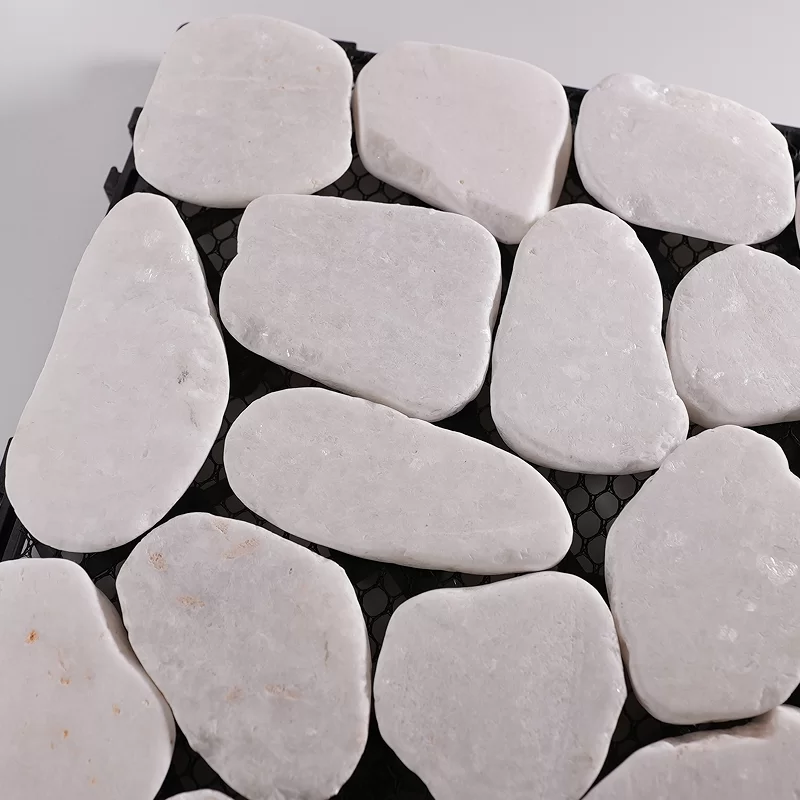
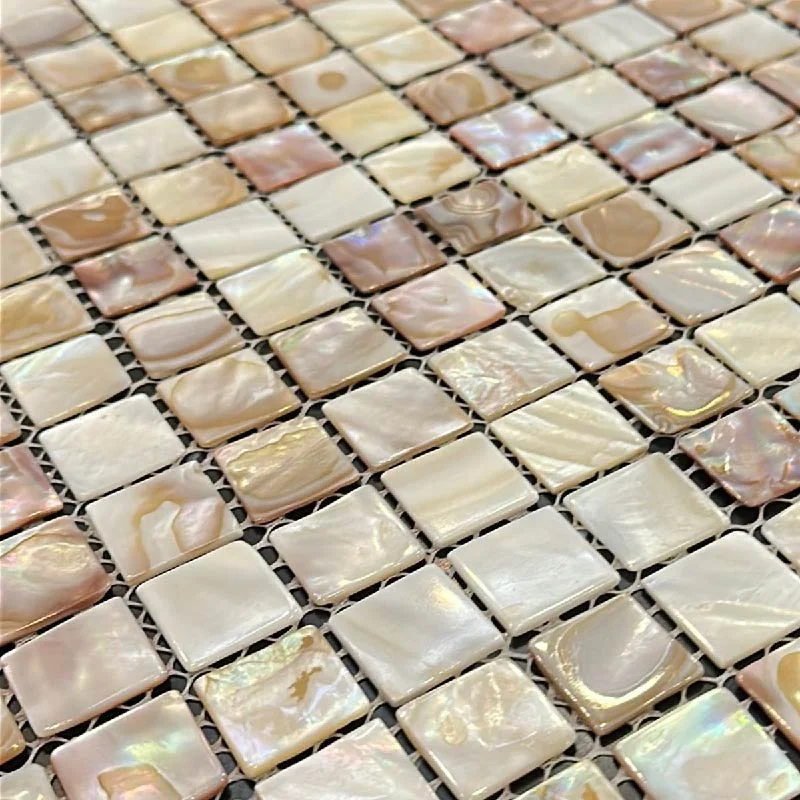
Look, pebbles stone for sale… it’s been a crazy year. Everyone’s talking about sustainable landscaping, right? Not just the fancy architects, but the guys actually laying the stuff. Demand’s up, big time. And honestly, it's not just about being 'green,' people just like the look. That natural feel. I was at a site in Phoenix last month, and the homeowner was adamant about using locally sourced pebbles. Said it felt more authentic. You wouldn’t believe the paperwork just to verify the source!
But here’s the thing - and I see this all the time – people get hung up on the visuals and forget about practicality. They want that perfectly rounded, smooth pebble, but those are a nightmare to work with. They shift, they roll, they make a proper base almost impossible. It’s a classic case of form over function. You spend hours trying to get it right, then the first heavy rain washes half of it away.
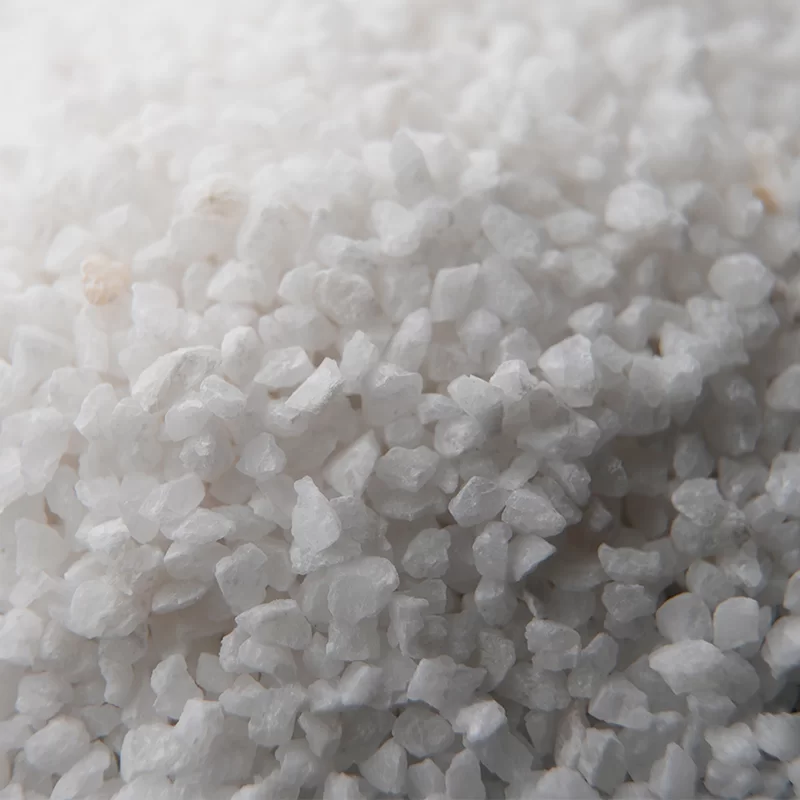
And then there’s the dust. Oh, the dust! Anyone who’s worked with pebbles knows what I mean. Fine silica dust everywhere. It gets in your lungs, it coats everything. We’re starting to see more suppliers offering pre-washed pebbles, which is a godsend, but it adds to the cost. It’s this little detail, that’s why I always tell the new guys, always wear a good mask, don’t skimp on the PPE.
The Rising Demand for Pebbles Stone for Sale
To be honest, the surge in pebbles stone for sale is tied to this whole "biophilic design" thing. People want to bring the outdoors in, and pebbles are an easy win. Plus, they're relatively low maintenance. I encountered a project manager at a hotel in Vegas who said they switched to pebble walkways to reduce water usage for landscaping. Makes sense, I guess.
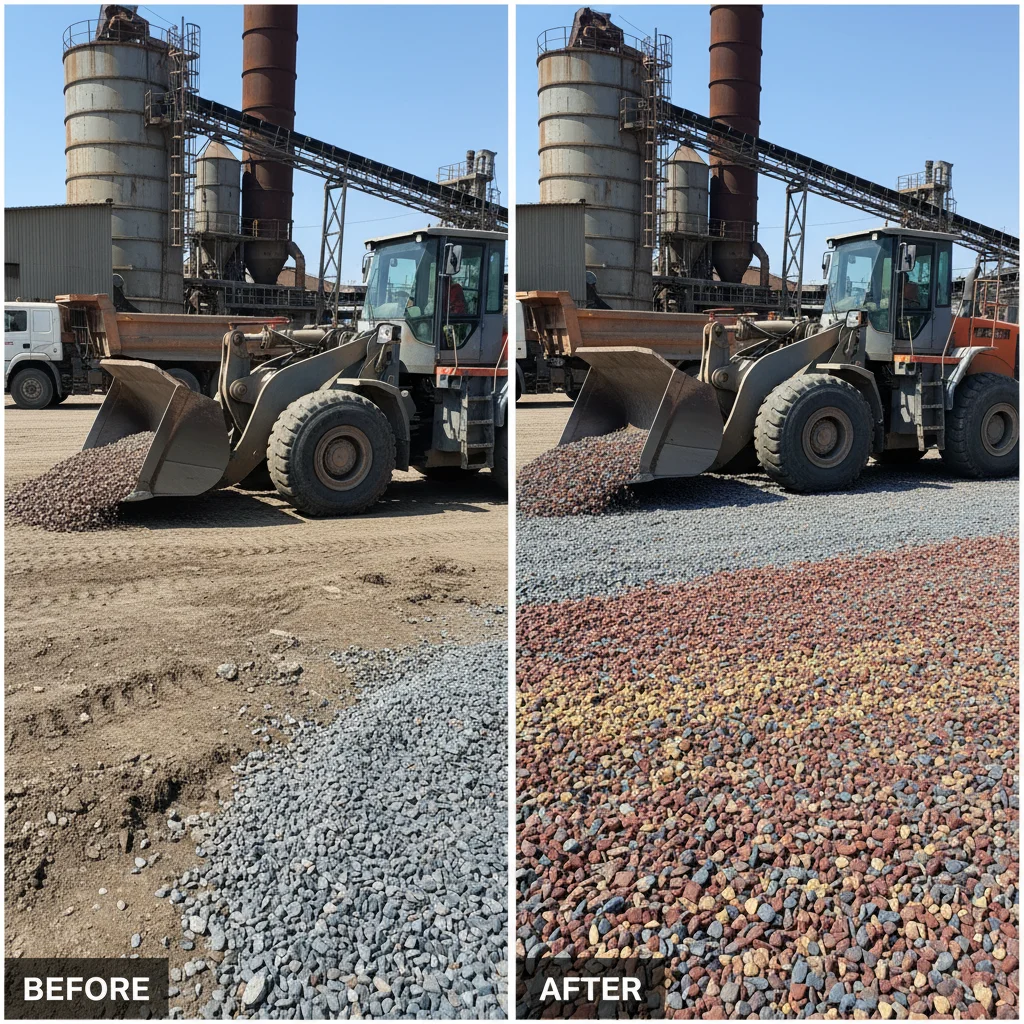
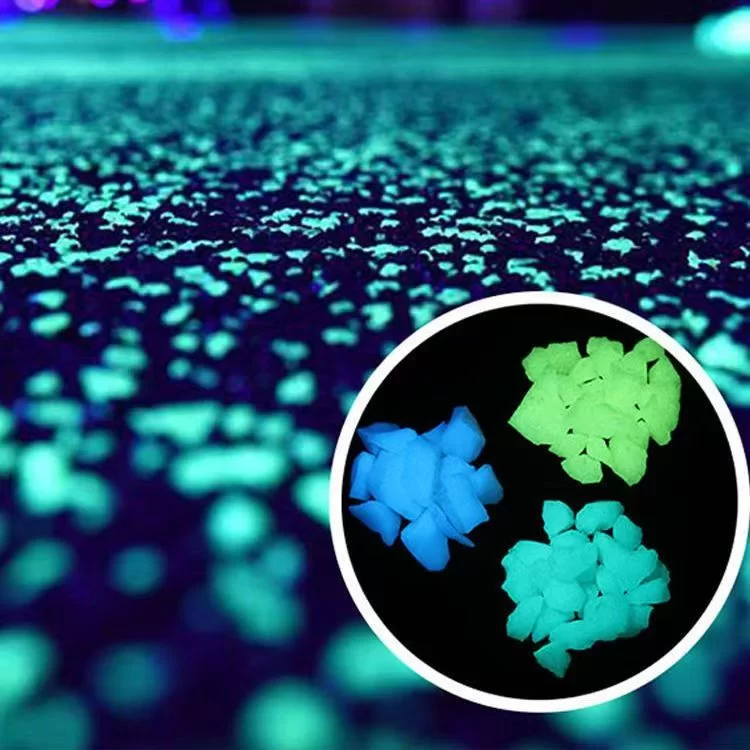
But it’s also a lot more than just hotels. Residential driveways, garden paths, even shower floors – the applications are expanding. We're seeing a growing market for colored pebbles too. Dyed, polished... you name it. Makes me wonder about the long-term environmental impact of all that coloring, though. That’s a conversation for another day.
Design Pitfalls & Practical Considerations
Have you noticed how often architects specify a certain pebble size without thinking about how it'll actually be laid? They’ll say “3/4 inch smooth river rock” and expect it to magically stay put on a slope. It won’t! You need to consider the grading, the compaction, the underlayment... It’s a whole system. A poorly designed pebble surface isn't just ugly, it's a safety hazard.
And the base is critical. I once saw a contractor try to lay pebbles directly on top of clay soil. A disaster. It turned into a muddy mess within a week. You need a solid, well-drained base of gravel and sand to prevent settling and erosion. It’s tedious work, but it’s the only way to do it right.
Honestly, I think a lot of designers underestimate the weight of pebbles too. A cubic yard of pebbles weighs a ton – literally. You need to make sure the underlying structure can support the load. Don’t want your patio collapsing, do you?
Material Properties & On-Site Handling
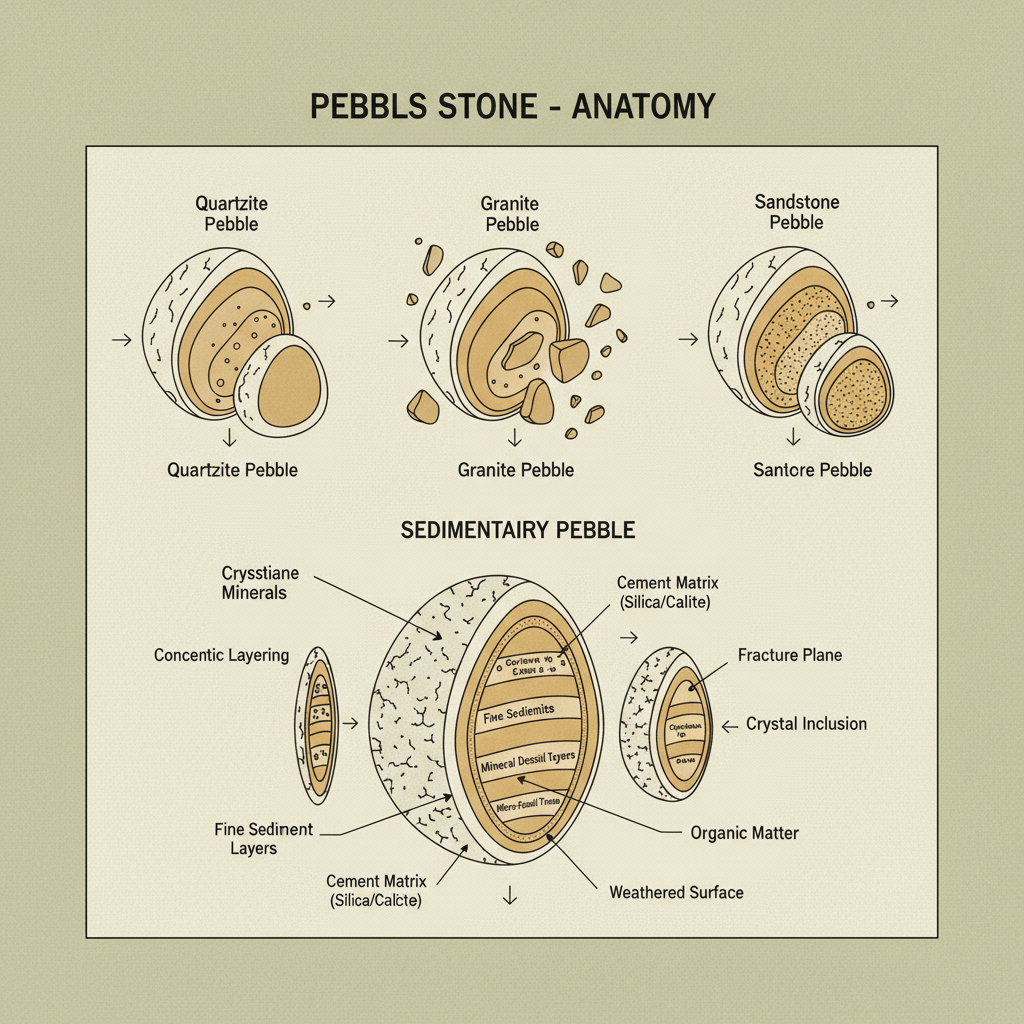
The type of stone matters a lot. River pebbles are smoother, more rounded, but also more likely to roll. Granite pebbles are harder, more durable, but can be sharper to walk on. Limestone pebbles are softer, more porous, and can stain easily. They all have their pros and cons. I prefer the basalt, smells earthy when it's wet, feels solid under your feet, and it holds a base really well.
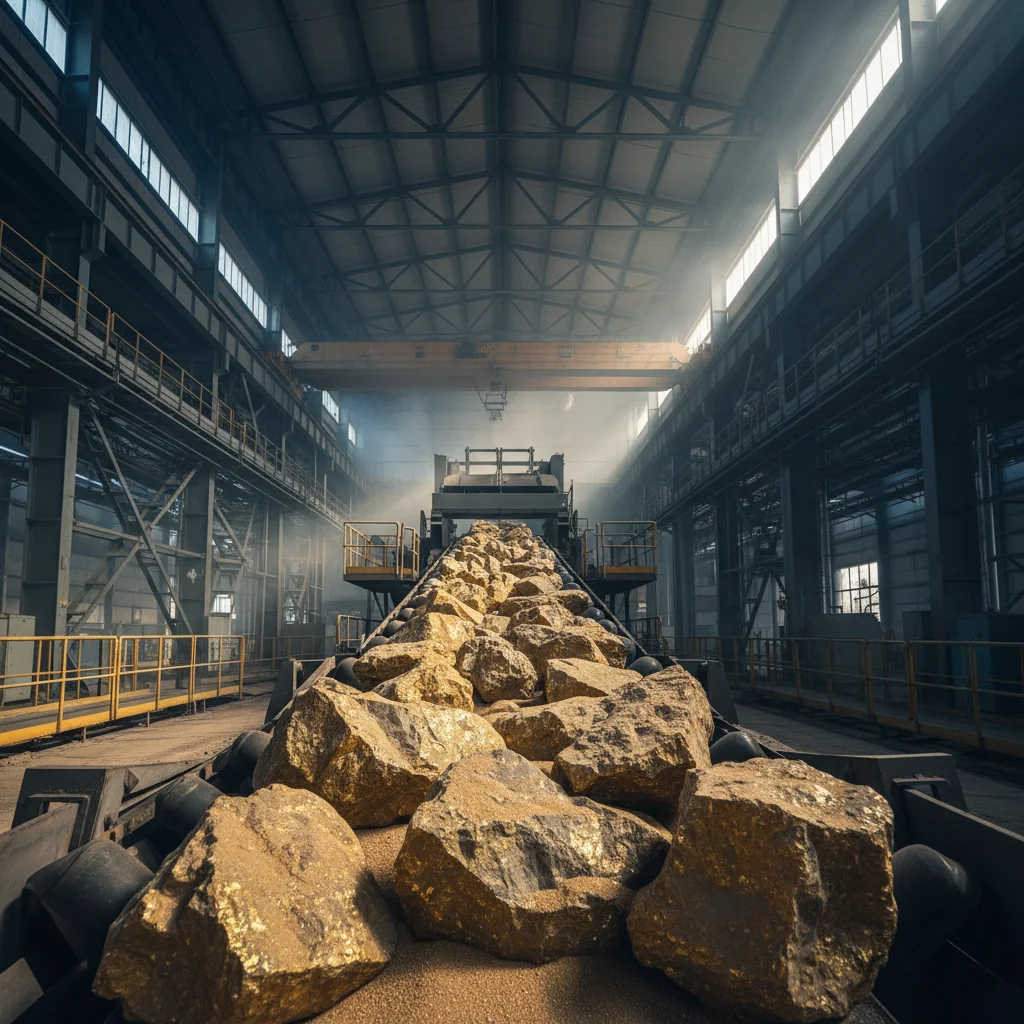
Handling them is the killer. Bulk bags are the standard, but they're heavy and awkward. You need a forklift or a mini-excavator to move them around. And you always need to protect your back. I’ve seen too many guys throw out their backs lifting bags of pebbles. Strangel, you'd think people would learn...
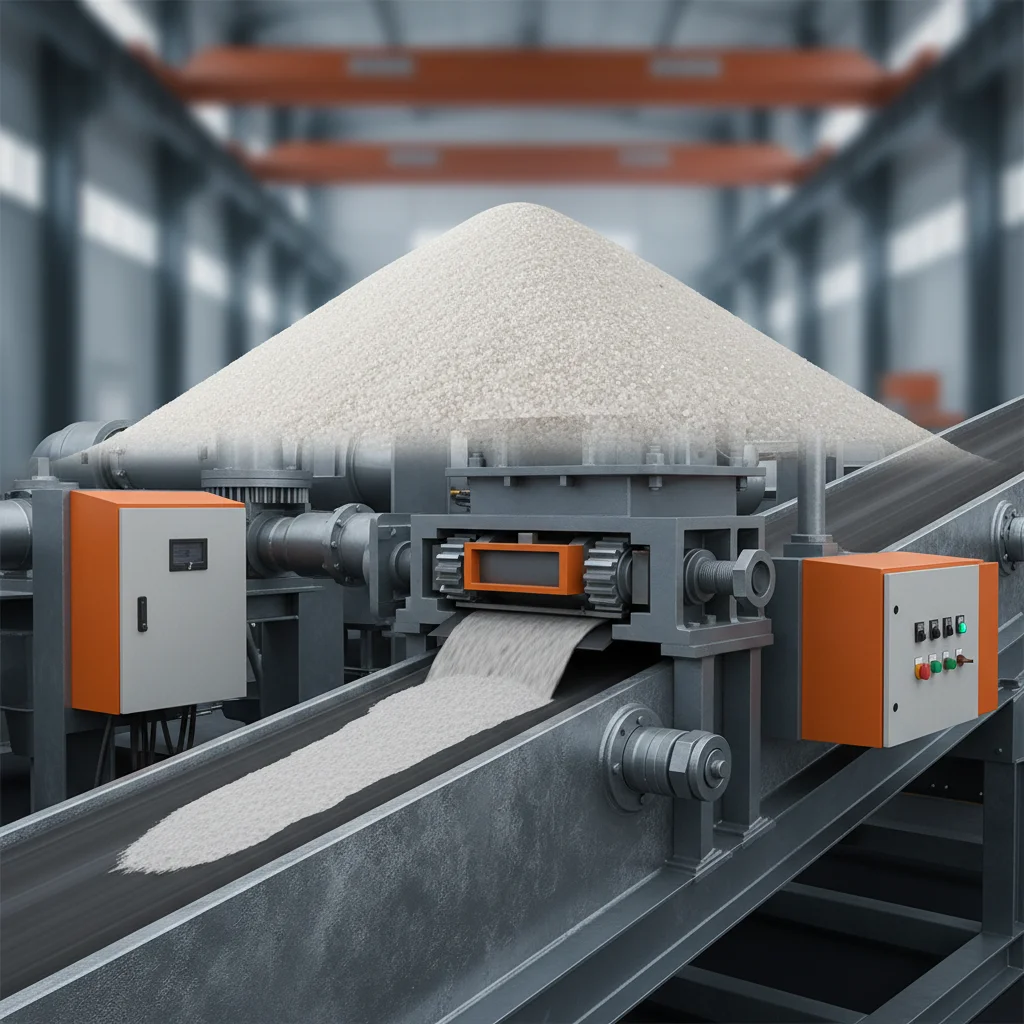
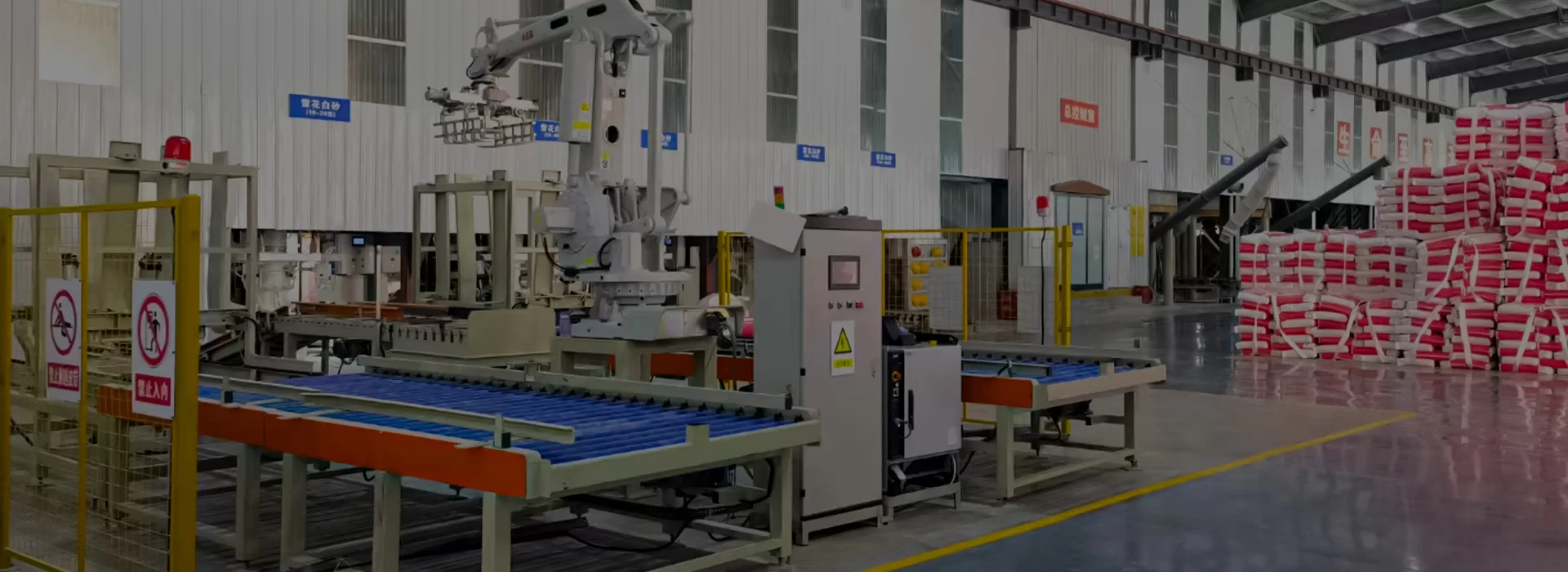
We're starting to see more suppliers offering pebbles in smaller, more manageable containers, but it's still more expensive. I've been asking around, and there's talk about using automated systems for unloading and distributing pebbles on larger sites. That could be a game-changer, but it's not widespread yet.
Real-World Testing & Performance
Look, lab tests are fine, but they don't tell the whole story. I want to see how these pebbles hold up to real-world conditions. Freeze-thaw cycles, heavy foot traffic, exposure to sunlight and rain… That’s what matters. I’ve found the best test is just time. Leave a sample area exposed for a year and see what happens.
We've started doing our own informal testing at the yard. We build small test sections of pebble pathways and driveways, then subject them to simulated wear and tear. Drive a loaded wheelbarrow over them repeatedly, pour water on them, let them sit in the sun… It’s not scientific, but it gives us a good idea of how they’ll perform.
Pebbles Stone for Sale - Durability Ratings (Based on Site Observations)
How People Actually Use Pebbles Stone for Sale
It’s not always what you think. I mean, yeah, landscaping, walkways… But people are getting creative. I've seen pebbles used in zen gardens, as decorative elements in fountains, even as drainage material in planters. And you wouldn't believe how many people are using them to create "pebble mosaics" – intricate designs on patios and driveways. It requires a lot of patience, I'll tell you that.
And the pet owners! They love pebbles for their dog runs. It’s soft on paws, provides good drainage, and it’s easy to clean. I’ve even had customers ask for pebbles specifically for their reptile enclosures. Apparently, it helps with humidity control. Who knew?
Advantages, Disadvantages & Customization
Okay, advantages. They’re durable, low maintenance, visually appealing, and relatively affordable. They provide good drainage, and they don't require mowing or watering. But the disadvantages… Dust, shifting, poor compaction, potential for staining. And they can get hot in direct sunlight. It’s a trade-off.
Customization? Absolutely. You can get them in different sizes, shapes, colors, and textures. Last year, a customer wanted a specific shade of blue to match their pool. We had to special order them from a supplier in Italy, and it wasn't cheap, but they were thrilled with the results. We can even mix different types of pebbles to create unique blends.
A Customer Story & Core Considerations
Anyway, I think the biggest takeaway is this: it's all about the details. Last month, that small boss in Shenzhen who makes smart home devices insisted on changing the interface to on a big order of polished black pebbles for a showroom display. Said it was "more modern." He didn’t realize it meant a completely different sorting process at the factory, and it delayed the shipment by two weeks. Cost him a fortune in expedited shipping. He was not happy.
So, you need to think about the entire process, from sourcing the materials to installation and maintenance. Consider the climate, the soil conditions, the intended use… And don't be afraid to ask questions. A lot of questions.
Ultimately, whether this thing works or not, the worker will know the moment he tightens the screw.
Pebbles Stone for Sale - Key Project Considerations
| Project Scope |
Material Selection |
Installation Techniques |
Long-Term Maintenance |
| Residential Driveway |
Granite or Basalt (High Durability) |
Compacted Gravel Base, Geotextile Fabric |
Periodic Re-compaction, Weed Control |
| Garden Pathway |
River Pebbles (Aesthetic Appeal) |
Sand Base, Border Edging |
Regular Clearing of Debris, Top-Up as Needed |
| Hotel Courtyard |
Limestone or Slate (Consistent Look) |
Concrete Base, Professional Installation |
Pressure Washing, Sealing to Prevent Staining |
| Shower Floor |
Polished River Pebbles (Non-Slip Surface) |
Waterproof Membrane, Epoxy Grout |
Regular Cleaning, Grout Maintenance |
| Zen Garden |
Mixed Pebbles (Variety of Colors/Sizes) |
Sand Base, Careful Arrangement |
Re-raking, Pebble Replacements |
| Dog Run |
Rounded Gravel (Soft on Paws) |
Compacted Base, Good Drainage |
Regular Cleaning, Replenishment |
FAQS
Proper base preparation is key. A well-compacted gravel and sand base, combined with a geotextile fabric to prevent soil mixing, will significantly reduce erosion. Also, ensure adequate drainage – you don't want water pooling on the surface. Consider installing a border or edging to contain the pebbles. You want them to lock in place, not just sit on top of the dirt.
That's a good question. The dyes used in colored pebbles can sometimes contain harmful chemicals. It's crucial to choose pebbles from reputable suppliers who use non-toxic dyes. Look for certifications or ask for a material safety data sheet (MSDS). Generally, natural, uncolored pebbles are the safest option, especially for areas where children or pets will be playing.
First, determine the area you need to cover in square feet. Then, decide on the desired depth of the pebble layer – usually 2-4 inches is sufficient. Multiply the area by the depth (converted to feet) to get the volume in cubic feet. Finally, convert cubic feet to cubic yards (1 cubic yard = 27 cubic feet). It’s always best to order a little extra to account for compaction and waste.
A good stiff brush and a hose are usually enough for basic cleaning. For stubborn stains, you can use a mild detergent and water. Avoid using harsh chemicals, as they can damage the pebbles or harm the environment. A pressure washer can be effective, but be careful not to dislodge the pebbles. A lot depends on the type of pebble, too – some are more porous than others.
Yes, but it requires careful preparation. A solid base of compacted gravel and a proper drainage system are essential. Snow removal can be tricky – avoid using metal shovels, as they can damage the pebbles. A plastic shovel or a snow blower is a better option. Also, be aware that pebbles can become slippery when icy.
While technically possible, I wouldn't recommend it. DIY pebble dyeing is often messy, inconsistent, and can result in harmful chemical runoff. It's far better to purchase pre-colored pebbles from a reputable supplier. The cost is higher, but you'll get a more professional and environmentally friendly result. Plus, you won’t end up with a purple backyard.
Conclusion
So, there you have it. Pebbles stone for sale are a versatile and increasingly popular landscaping material. But they're not a magic bullet. Success depends on careful planning, proper installation, and ongoing maintenance. Remember to choose the right type of pebble for your specific application, and don't skimp on the base preparation.
Looking ahead, I think we’ll see more innovation in this space – automated installation systems, more sustainable coloring techniques, and a wider range of pebble varieties. Ultimately, whether this thing works or not, the worker will know the moment he tightens the screw. If you're considering using pebbles stone for sale, visit our website at cnfloormaterials.com to learn more.