Perlite roof insulation board is rapidly gaining recognition as a sustainable and effective solution for thermal regulation in buildings across the globe. Its lightweight nature, combined with excellent insulating properties, addresses the increasing demand for energy-efficient construction materials. Understanding its composition, application, and benefits is crucial for architects, builders, and homeowners alike, contributing to a reduction in energy consumption and a smaller carbon footprint.
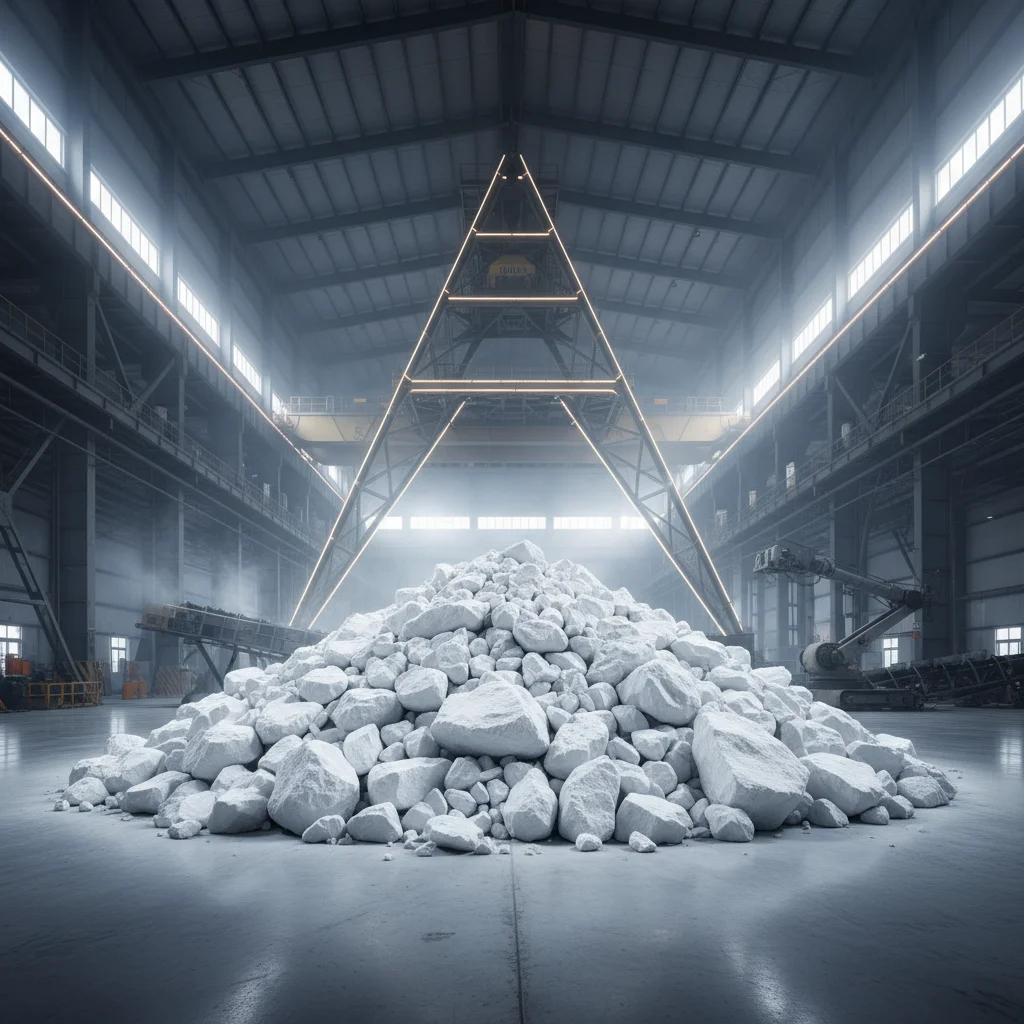
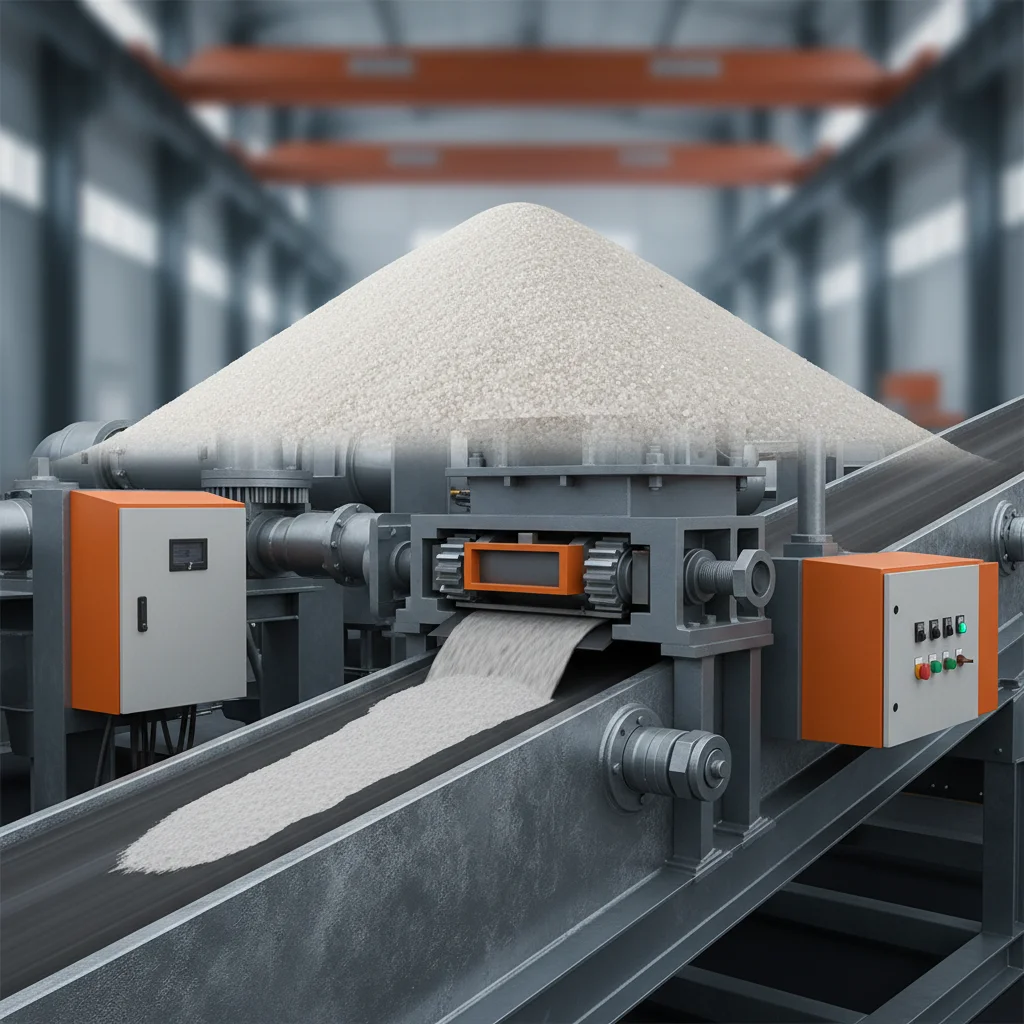
The global construction industry is facing growing pressure to adopt environmentally friendly practices. Traditional insulation materials often have high embodied energy and can contribute to pollution during manufacturing and disposal. perlite roof insulation board offers a viable alternative, utilizing a naturally occurring volcanic glass that is expanded through a heating process, creating a lightweight, porous material. This addresses the need for sustainable building solutions worldwide.
The increasing frequency of extreme weather events, coupled with rising energy costs, further emphasizes the importance of efficient building insulation. Perlite roof insulation board not only provides thermal comfort but also offers fire resistance and acoustic dampening, making it a versatile choice for a wide range of construction projects. Its ease of installation and cost-effectiveness contribute to its growing popularity, particularly in regions facing economic constraints.
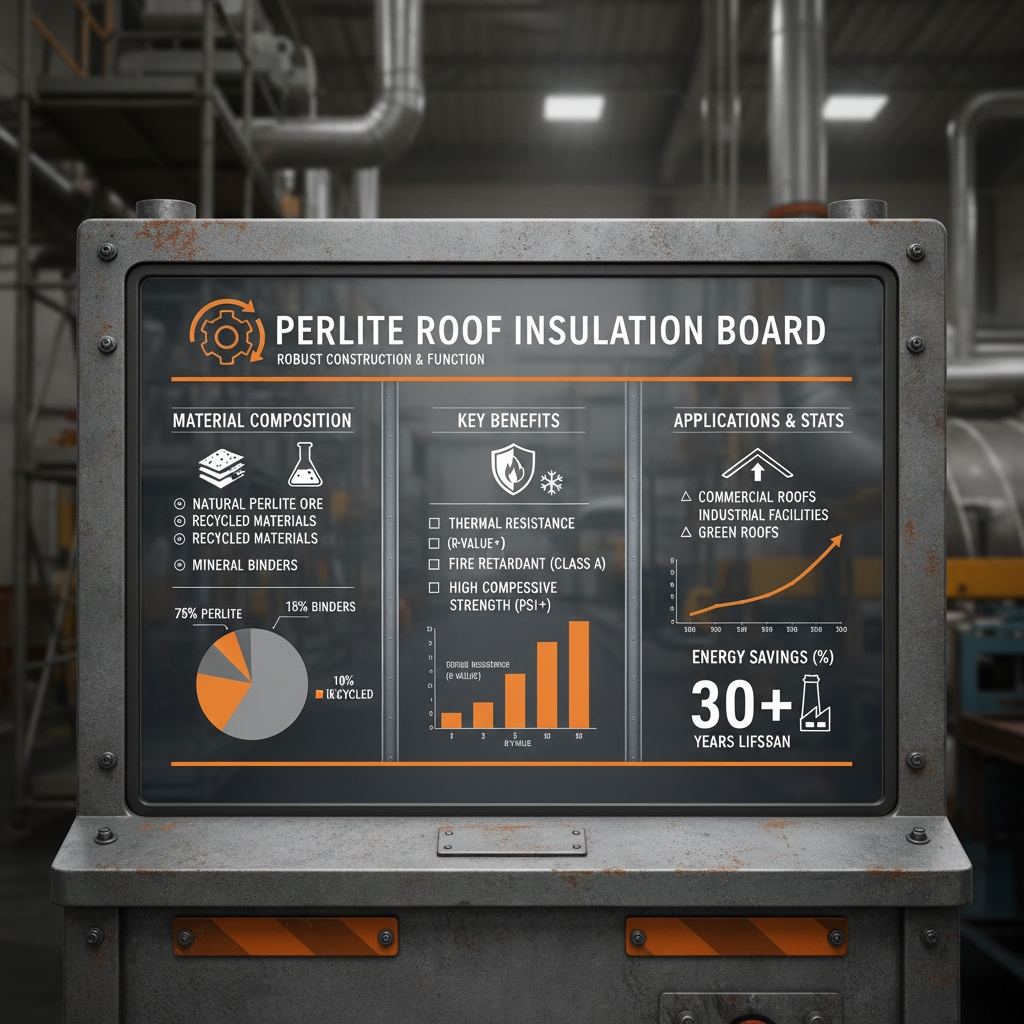
Perlite roof insulation board represents a significant advancement in building material technology, offering a sustainable and highly effective solution for regulating building temperatures. Its growing adoption is driven by increasing environmental concerns and a demand for energy-efficient construction. This material’s unique properties make it adaptable to a wide range of climates and building designs.
The benefits of using perlite roof insulation board extend beyond simple temperature control. Its inherent fire resistance, lightweight nature, and acoustic properties contribute to enhanced building safety and comfort. Furthermore, the raw material, perlite, is an abundant volcanic glass, making the production process relatively sustainable and cost-effective.
Perlite roof insulation board offers significant environmental advantages. It’s made from a naturally occurring volcanic glass, reducing reliance on fossil fuel-based insulation materials. Its lightweight nature lowers transportation costs and associated emissions. Moreover, its excellent thermal performance minimizes energy consumption, reducing a building's carbon footprint and contributing to a more sustainable built environment. It’s also recyclable at the end of its lifecycle.
The initial material cost of perlite roof insulation board is often comparable to, or slightly higher than, traditional fiberglass insulation. However, when considering the lifecycle cost, perlite often proves more cost-effective. Its superior thermal performance leads to lower energy bills, and its durability reduces the need for frequent replacements. Installation costs can also be lower due to its lightweight nature and ease of handling.
Perlite roof insulation board is highly versatile and can be adapted to various roof types, including flat roofs, pitched roofs, and metal roofs. It performs well in both hot and cold climates. In colder regions, it provides excellent thermal resistance, reducing heat loss. In warmer regions, it effectively blocks solar heat gain. However, proper installation and selection of the appropriate board thickness are crucial for optimal performance in specific climates.
While perlite is generally safe, dust generation during installation can be a concern. Installers should wear dust masks and eye protection to prevent irritation. Adequate ventilation is also recommended. Always follow the manufacturer’s instructions and adhere to local building codes and safety regulations. Proper handling techniques will minimize dust and ensure a safe installation process.
Perlite is inherently non-combustible, meaning it doesn't burn or contribute to the spread of flames. Perlite roof insulation board offers excellent fire resistance, providing a crucial layer of protection for buildings and occupants. It doesn’t release harmful gases when exposed to fire, contributing to safer evacuation conditions. This makes it a valuable asset in building design and compliance with fire safety regulations.
The lifespan of perlite roof insulation board is exceptionally long, often exceeding the lifespan of the building itself. Unlike some organic insulation materials, perlite doesn’t degrade over time and is resistant to mold, mildew, and pests. With proper installation and maintenance, it can provide effective thermal insulation for 50 years or more, resulting in long-term cost savings and environmental benefits.
In conclusion, perlite roof insulation board presents a compelling solution for achieving sustainable and energy-efficient building practices. Its unique combination of thermal performance, fire resistance, durability, and environmental benefits makes it an increasingly attractive alternative to traditional insulation materials. From reducing energy consumption to enhancing building safety, perlite roof insulation board offers long-term value for homeowners, builders, and the environment.
Looking ahead, continued innovation in perlite manufacturing and application, coupled with greater awareness of its benefits, will drive wider adoption across the construction industry. Embracing this technology is not only a sound economic decision but also a crucial step towards creating a more sustainable and resilient built environment for future generations. Visit our website at www.cnfloormaterials.com to learn more about how perlite roof insulation board can benefit your next project.

If you are interested in our products, you can choose to leave your information here, and we will be in touch with you shortly.